Bundaberg Rental Inspections: Exterior Cleaning Checklist
For property managers, landlords and tenants across Bundaberg, https://pressurecleaningbundaberg.com.au/solar-panel-cleaning/ routine rental inspections are a normal part of the tenancy cycle. While interiors tend to get most of the attention, the exterior is the first thing an inspector sees, and it often shapes their impression of how well a property is being maintained. In Bundaberg's warm, humid, coastal-influenced climate, exteriors collect mould, dirt, salt residue and cane-country dust faster than many people expect. This checklist covers what to clean, why it matters and how to prepare for an inspection or end-of-lease check in 2026.
Why Exterior Presentation Matters at Inspection Time
Under Queensland's residential tenancy framework, administered by the Residential Tenancies Authority (RTA), tenants must keep the premises clean and return them in the same condition as at the start of the tenancy, allowing for fair wear and tear. Landlords, in turn, must keep the property in good repair. Outdoor areas are part of the entry and exit condition report, so grime, mould or neglected gardens can lead to disputes over bond refunds or maintenance responsibilities.
A tidy exterior also protects the property's value. Mould, algae and built-up dirt can degrade paint, concrete and timber over time, so regular cleaning reduces expensive repairs down the track.
Bundaberg's Climate and What It Means for Exteriors
Bundaberg's subtropical conditions create specific cleaning challenges:
- High humidity: Encourages mould and mildew on shaded walls, fences, pergolas and north-facing surfaces.
- Summer storms and heavy rain: Wash dirt, leaf litter and debris onto driveways, gutters and patios.
- Coastal air near Bargara, Burnett Heads and Elliott Heads: Carries salt that can leave residue on windows, metal fixtures and outdoor furniture.
- Surrounding farmland: Dust, ash from cane burning and fine soil can settle on walls, roofs and windows.
- Strong sun: Bakes dirt onto surfaces, making it harder to remove the longer it sits.
The Exterior Cleaning Checklist
1. Walls, Cladding and Brickwork
Check all external walls for mould, cobwebs, mud splatter and stains. Brick, rendered surfaces, weatherboard and Colorbond cladding all respond differently to cleaning, so choose the method carefully. Low-pressure washing or a soft-wash approach is usually safest for painted and rendered surfaces, as high pressure can strip paint, force water behind cladding or damage mortar. Pay attention to the areas under eaves, where webs and wasp nests tend to accumulate.
2. Driveways, Paths and Concrete
Oil stains, tyre marks, algae and moss on driveways and walkways are common inspection flags. Slippery algae on paths is also a safety hazard, which landlords have an obligation to take seriously. Pressure cleaning is typically the most effective way to restore concrete and pavers. Spot-treat oil and rust stains before washing, and sweep away loose debris first.
3. Patios, Decks and Outdoor Entertaining Areas
Sweep, wash and clear these spaces thoroughly. Timber decks may need a gentler approach and a suitable cleaner to avoid splintering or surface damage. Remove cobwebs from ceilings and corners, wipe down railings and wash any built-in benches or barbecue areas. Make sure no rubbish, empty pots or stored items are left behind in common outdoor zones.
4. Windows, Screens and Door Frames
Clean the exterior glass, tracks, sills and flyscreens. Salt, dust and insect residue can build up quickly in Bundaberg. Tracks often hide dirt and dead insects, so vacuum or brush them before wiping. Inspect screens for tears, as these may count as damage rather than fair wear and tear depending on circumstances.
5. Gutters, Downpipes and Roof Surfaces
Clogged gutters can lead to water overflow, damp issues and mosquito breeding. Clear leaves and debris from gutters and downpipes before storm season, and look for rust, sagging sections or loose brackets. Roof cleaning should be done by qualified professionals, as working at heights carries serious safety risks. Landlords should arrange this rather than expecting tenants to climb onto roofs.
6. Fences and Gates
Remove cobwebs, mould and loose dirt from fences and gates. Check that latches work, hinges are not rusted and panels are secure. Colorbond, timber and aluminium fencing all need different cleaning products, so avoid harsh chemicals that may discolour finishes.
7. Garden Beds, Lawns and Landscaping
Gardens are a frequent source of end-of-lease disputes. Mow lawns, trim edges, remove weeds and clear dead plants and green waste. Keep branches away from the roof and power lines. In Bundaberg's fast-growing conditions, grass and weeds can quickly get out of hand, so regular upkeep in the weeks before an inspection is the best approach.
8. Bins, Bin Storage and Rubbish Areas
Wash out wheelie bins, remove odours and clear the surrounding area. Make sure no excess rubbish, old furniture or building materials are left on the property. Check local council guidelines for bulky waste collection and disposal options so unwanted items are removed properly.
9. Letterbox, Entry Area and Front Door
First impressions count. Wipe down the front door, light fittings, house numbers and letterbox. Sweep the entry, clear spider webs and remove old mail or flyers. A clean entry signals that the property has been cared for.
10. Garage, Carport and Sheds
Sweep out garages and carports, clear oil spills and remove personal items that do not belong to the property. If a shed is included in the tenancy, check that it is clean, clear of rubbish and free of pest nests.
A Simple Step-by-Step Preparation Plan
- Review the condition report: Compare the current state of the exterior with the entry condition report and photos.
- Start from the top: Clear gutters and cobwebs first, then work down to walls, windows, patios and ground surfaces so dirt does not fall onto areas already cleaned.
- Pressure clean hard surfaces: Driveways, paths and patios usually benefit most from professional pressure cleaning.
- Tidy the garden: Mow, trim, weed and remove green waste.
- Do a final walk-around: Check for missed spots, take dated photos and note any damage that existed before the tenancy.
Tenant and Landlord Responsibilities
Responsibilities can differ depending on the lease agreement, but there are general principles. Tenants are typically responsible for keeping lawns mowed, gardens tidy and outdoor areas free of rubbish. Landlords are generally responsible for structural repairs, major tree work, roof maintenance and safety-related issues. If you are unsure, refer to your tenancy agreement and the RTA's guidance, or speak with your property manager.
Documenting the condition of the exterior with timestamped photos at the start and end of the tenancy is one of the most effective ways to avoid disputes.


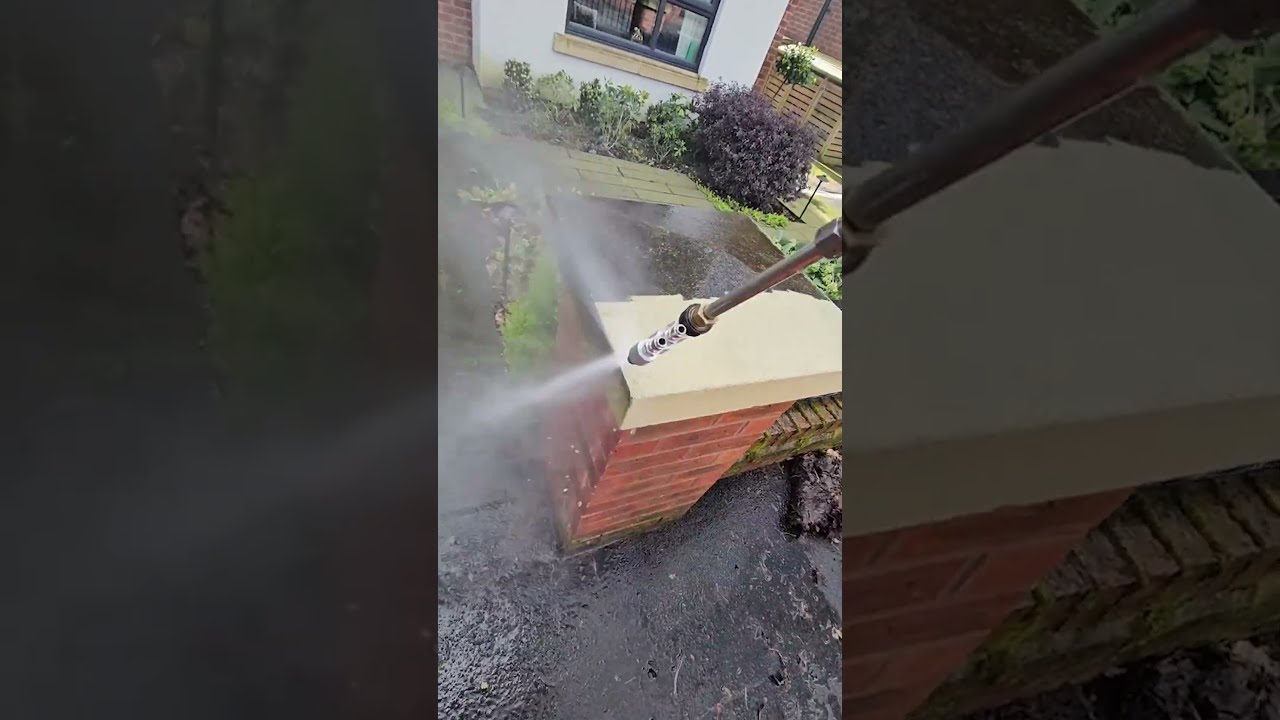
When to Call a Professional Exterior Cleaner
Some jobs are best handled by experienced local professionals. Consider hiring help if you face any of the following:
- Heavy mould or algae growth across walls, roofs or concrete
- Stubborn oil, rust or tannin stains
- Multi-storey homes or hard-to-reach areas
- Tight timeframes before an inspection or lease end
- Concerns about damaging delicate surfaces with high-pressure equipment
Professional cleaners have commercial-grade equipment, appropriate cleaning solutions and safety gear. They also understand how local conditions affect different materials, which helps achieve better results without causing damage. Choose a provider that is insured, offers clear quotes and can supply before-and-after photos you can include in your inspection records.
Timing Your Exterior Clean in 2026
The best time to schedule exterior cleaning is two to five days before an inspection. That is close enough to ensure a fresh appearance but leaves a buffer for any touch-ups or weather delays. During Bundaberg's wetter months, which typically run from late summer into autumn, build in extra time because rain can interrupt work and drying times may be longer. With ongoing interest in sustainable practices in 2026, ask about water-efficient equipment and biodegradable cleaning products to reduce environmental impact, particularly near waterways and stormwater drains.
Final Thoughts
A thorough exterior clean is one of the simplest ways to make a strong impression at a Bundaberg rental inspection. By working through this checklist, from walls and windows to driveways, gardens and bins, you can reduce the risk of disputes, protect the property and give inspectors confidence that the home is well maintained. Whether you are a tenant preparing for a routine check, a landlord safeguarding an investment or a property manager coordinating multiple homes, regular upkeep and professional support when needed will help you stay ahead of problems and keep every inspection stress-free.
Bundaberg Pressure Cleaning
(07) 4158 8067